
Metropolis International Migration Network Conference 2026
Rethinking African Mobility: Past Lessons, Present Realities, Future Possibilities
Hosted at the University of Ghana in Accra, the conference will bring together leading scholars, policymakers, and practitioners from around the world to discuss emerging migration trends, policy challenges, and opportunities for mobility-driven development.
The conference program will feature plenary discussions, roundtables, and parallel sessions addressing some of the most pressing migration issues today. Topics include migration governance in Africa, forced displacement and humanitarian crises, externalized border controls, labour mobility and regional integration, migration and development, migration and health, and diaspora engagement.
Invited speakers include representatives from regional and international institutions such as the African Union, ECOWAS, and World Health Organization, alongside prominent migration scholars and policy experts from universities and organizations across Africa, Europe, Asia, and the Americas.
Invited speakers include:
Prof. Anna Triandafyllidou — Toronto Metropolitan University, Canada
Prof. Mary Boatemaa Setrana — Director of the Centre for Migration Studies at the University of Ghana
H.E. Wamkele Mene – Director General, African Continental Free Trade Area (AfCFTA) Secretariat
Violet Roumeliotis (AM, GAICD) — CEO of Settlement Services International (SSI), Australia
Dr. Ibrahima Amadou Dia — Director, African Centre for the Study and Research on Migration (ACSRM)
Prof. Opportuna Kweka — IDRC Research Chair, University of Dar es Salaam, Tanzania
Prof. Diego Acosta — University of Bristol
Prof. Paula Banerjee — IDRC Research Chair on Gender and Forced Displacement, Asian Institute of Technology
A full list of invited speakers and tentative conference proceedings will be available soon.
About the Conference
Key Info
Dates: 18-20 November, 2026.
Location: University of Ghana, Accra | Format: In-person only
Call for papers: CLOSED
Contact: Dr. Irina Isaakyan at info@metropolisintl.org
About the Theme
The theme of the 2026 Metropolis International Migration Network Conference is “Rethinking African Mobility: Past Lessons, Present Realities, Future Possibilities.”
While the conference theme centers on African mobility, we warmly welcome submissions on ANY topic related to international migration worldwide, including comparative, regional, and global perspectives.
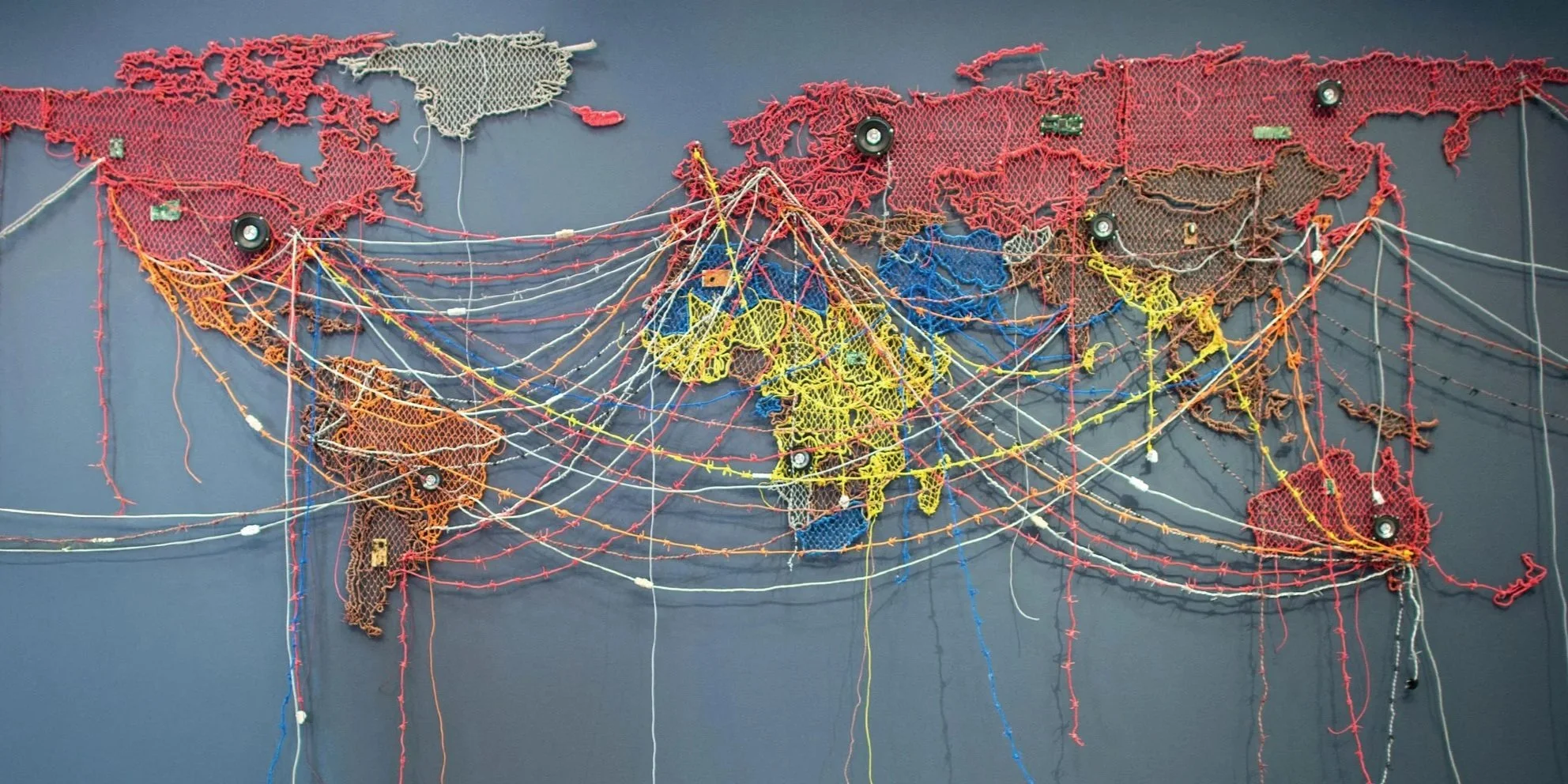
Website banner photo: Woven Chronicle by artist Reena Saini Kallat.
Quick Links
Sponsorship Opportunities
We are currently seeking sponsors with contributions ranging from $500 - $10,000+. Download the full sponsorship prospectus here.
Sponsoring the Metropolis Conference offers an opportunity to:
Engage with leading migration researchers and policymakers
Showcase your organization’s programs, research, or policy initiatives
Connect with global networks working on migration and mobility
Support inclusive participation, including scholars from the Global South
Demonstrate leadership in shaping evidence-based migration policy
Sponsors gain visibility through conference branding, program materials, social media promotion, and direct engagement with attendees.
Download the full sponsorship prospectus here.
If you are interested in sponsoring the 2026 conference, we warmly invite you to contact us:
Sponsorships Contact:
For inquiries, contact: info@metropolisintl.org
Below, we have provided a high-level overview of travel requirements and considerations for Accra, Ghana. Confirmed conference presenters and attendees will receive a comprehensive travel guide including information on hotel bookings, transport, safety and local tips, communication, and sightseeing.
Travel Guide
-
Main entry point is Kotoka International Airport, also known as Accra International Airport(ACC).
Please plan to arrive on November 17, 2026, as conference proceedings will begin at 9:30 AM sharp on November 18.
Attendees will not be reimbursed for the cost of their flights and travel unless specifically told otherwise by the conference organizers.
-
Visa requirements, including fees and required documentation, vary by nationality.
Carefully review the Visa Application Information on the Ghana embassy website of your home country. For example, this is the website for the Ghana embassy in Toronto, Canada.
Yellow fever vaccination certificate is required for entry. All travellers (including those coming from countries with no risk to yellow fever) to Ghana must have a valid yellow fever vaccination certificate or records indicating their protection from yellow fever. This certificate may be required during the Visa application process.
Visa processing times: Applicants are required to mail their completed visa application forms and the supporting documents at least 3 weeks before their travel date and at most 3 months before their travel date.
If a business letter is required for your Visa application, we encourage you to obtain the letter from your academic institution or workplace. However, Metropolis International Migration Network can also provide business letters to presenters or attendees who have accepted or confirmed their attendance for the conference.
Attendees will not be reimbursed for the cost of their Visa and travel requirements unless specifically told otherwise by the conference organizers.
-
Required: Yellow fever certificate.
Recommended: Typhoid, Hepatitis A/B, Malaria prophylaxis, routine vaccinations.
-
Recommended hotels:
The African Regent https://www.theafricanregenthotel.com
Alisa Hotel North Ridge https://alisahotels.com/north-ridge/
*Attendees will not be reimbursed for the cost of their accommodations unless specifically told otherwise by the conference organizers.
-
Currency and Money
Local currency is the Ghanaian Cedi (GHS).
Credit cards accepted at hotels and larger establishments.
It is advised to carry some cash for local transport and markets.
Weather
November falls in the dry season. Warm and sunny with low humidity. Temperatures typically around 27–32°C (80–90°F).