How Voluntary Is “Voluntary” Return?
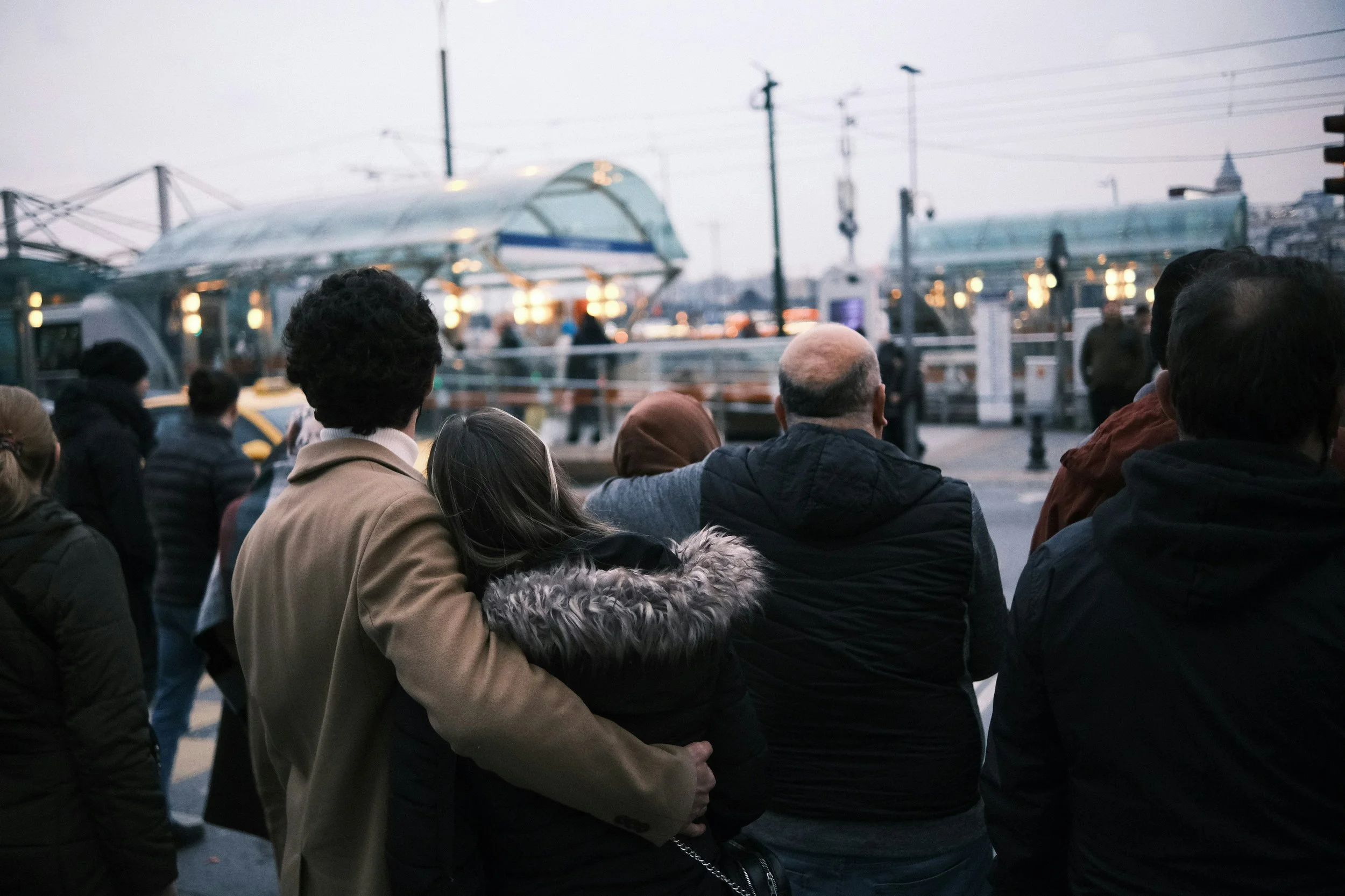
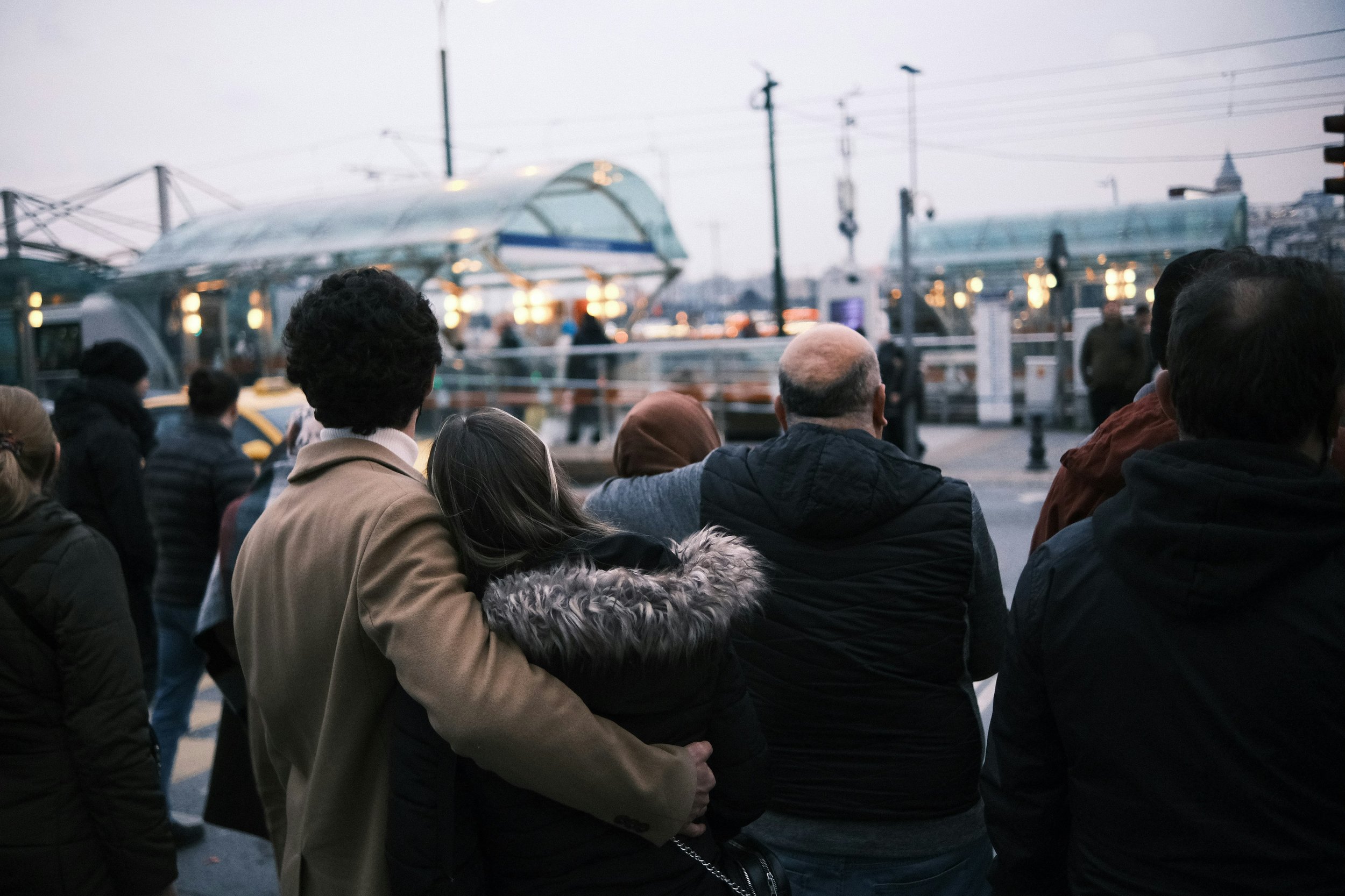
Photo by Kirill Mozorov on Unsplash
I was recently having a conversation with a friend about voluntary return and it got me thinking: how voluntary is “voluntary” return, really?
In migration discourse, return is often placed into two broad categories: voluntary return and forced return. Forced return is relatively straightforward. It occurs when a person is required to leave a country, usually following a deportation or removal decision. Voluntary return, by contrast, suggests that the migrant has freely decided to return to their country of origin or habitual residence.
But the reality is often more complicated.
There is a clear difference between a migrant who independently decides that it is time to go home and one who accepts an assisted return programme because every other available option is becoming increasingly difficult to access and even disappearing.
Consider a migrant whose asylum application has been rejected, whose residence permit has expired or who no longer has permission to work. The person may be unable to afford accommodation, access essential services or meet basic daily needs. They may also face detention, destitution or eventual deportation.
When that person agrees to return home through an assisted voluntary return programme, the decision may technically be voluntary. No one may have physically forced them onto a plane. They may have signed the necessary documents and formally provided their consent.
However, we must still ask: how much real choice did they have?
This does not mean that assisted voluntary return is inherently wrong. Such programmes can provide a safer, more dignified alternative to forced removal. Depending on the programme, returnees may receive travel assistance, counselling, medical support, documentation and reintegration assistance upon arrival. These interventions can reduce the risks associated with return and help migrants begin rebuilding their lives.
The concern is not necessarily with the existence of assisted return programmes. It is with treating every expression of consent as though it occurred under ideal conditions.
A decision can be legally voluntary while still being heavily shaped by pressure, uncertainty and limited alternatives. Consent given by someone with secure status, sufficient information and several realistic options is not the same as consent given by someone facing homelessness, detention or deportation.
To this end, context matters.
This is why the voluntariness of the return should not be measured only by whether a migrant said “yes”. We should also consider whether the person received accurate information, understood the consequences of returning, had sufficient time to decide and was free from intimidation or manipulation. We must also properly assess their safety, family circumstances, health, protection needs and conditions in the country of return.
The conversation should therefore move beyond a simple voluntary-versus-forced classification. The nature of return exists on a spectrum. At one end is a genuinely self-directed decision to return. At the other is forced removal. Between them are many situations in which migrants formally agree to return but do so under significant legal, economic or social pressure.
To be clear, recognising this complexity does not invalidate the migrant’s decision. Rather, it helps governments and organisations design return processes that are more humane, transparent and responsive to individual circumstances.
It also reminds us that return does not end when the flight lands. For a return to be sustainable, returnees must be able to rebuild their lives with safety, dignity and a reasonable degree of economic and social stability. This is imperative because without effective reintegration support, return may ultimately lead to renewed vulnerability, hardship or another attempt to migrate through irregular means.
So, how voluntary is voluntary return?
The answer depends not only on whether the person agreed to return but also on the conditions under which that agreement was made.
Written by Alexander C. Oturu, Southwest Zonal Coordinator/Assistant Director, National Commission for Refugees, Migrants and Internally Displaced Persons (NCFRMI)
LATEST NEWS