
Contemporary Migration in Te Moana Nui (the Great Ocean)
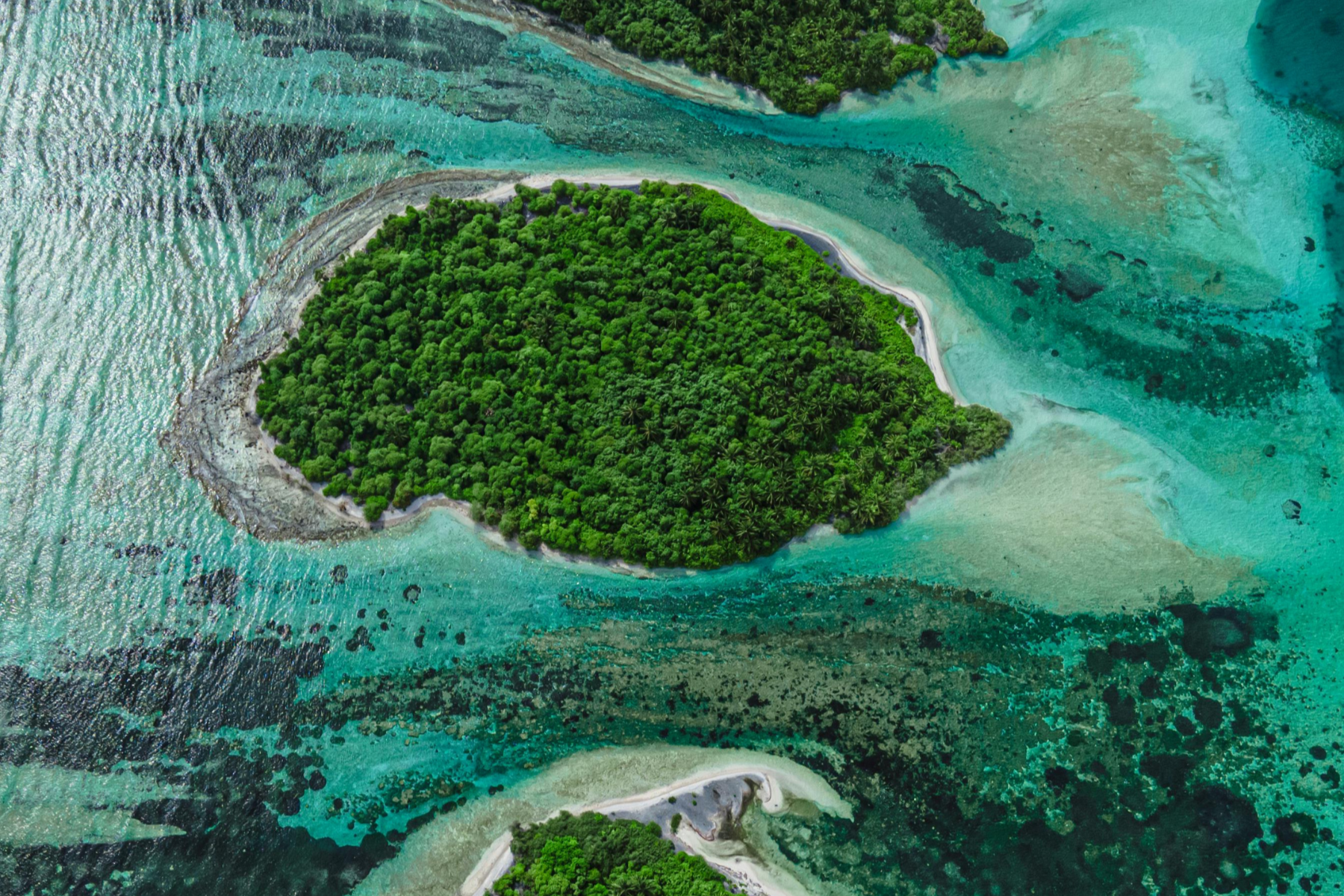
For those of us working on migration in and around the Pacific Ocean (Te Moana Nui), we do not lack for variety or challenge.
At one end of the spectrum is China, one of the most significant sources of migrants for countries such as Canada, Australia and Aotearoa New Zealand, while at the other end are the micro-states such as Kiribati or Niue, both of which are also countries of emigration.
For both countries of emigration such as China, or immigrant-destination countries such as New Zealand or Australia, domestic demographic trends are providing new pressures and implications for migration patterns and priorities. Countries in the region, led by Korea, now have some of the lowest Total Fertility Rates (TFR) of any country and, as a result, are beginning to see significant levels of depopulation.
It is probably more appropriate to describe the demography of Canada, Australia and New Zealand as experiencing domestic population stagnation – with immigration being the main or only source of population growth.
It raises some interesting questions. Will China look to dissuade its citizens from migrating to other countries given the outflow of both talent and capital when both will be needed domestically? Will countries that have been hostile to the permanent settlement of non-citizens, such as Japan, consider relaxing their strict controls and be more willing to grant citizenship and citizenship rights? Will the points system of Canada, New Zealand and Australia continue to recruit and select what are for the most part “economic” or “middle class” migrants?
Demographic Pressures
There is a very different demographic and migration story being played out in other parts of the Pacific.
Countries such as Papua New Guinea constitute some of the fastest growing countries anywhere. The population of Papua New Guinea is currently growing at 3% per annum and has grown by 40% between 2011 and 2024. Fertility remains high with a TFR of over 3 births per woman (it rose to 6 in the 1960s).
These are potential immigrant source countries but there remain some political and moral questions. Given the local need for skilled workers in areas such as healthcare, why should high-income societies look to attract these people away from countries in need of them? Are there options to mitigate talent loss or to train more skilled people in place?
Another major issue for these countries spread around the largest ocean on earth is climate change. Who can forget Simon Kofe, Minister for Foreign Affairs for Tuvalu, standing in his suit in the ocean to address the UN as part of COP26 in 2021, while making the plea for action from other countries to mitigate climate warming and the rise of sea levels?
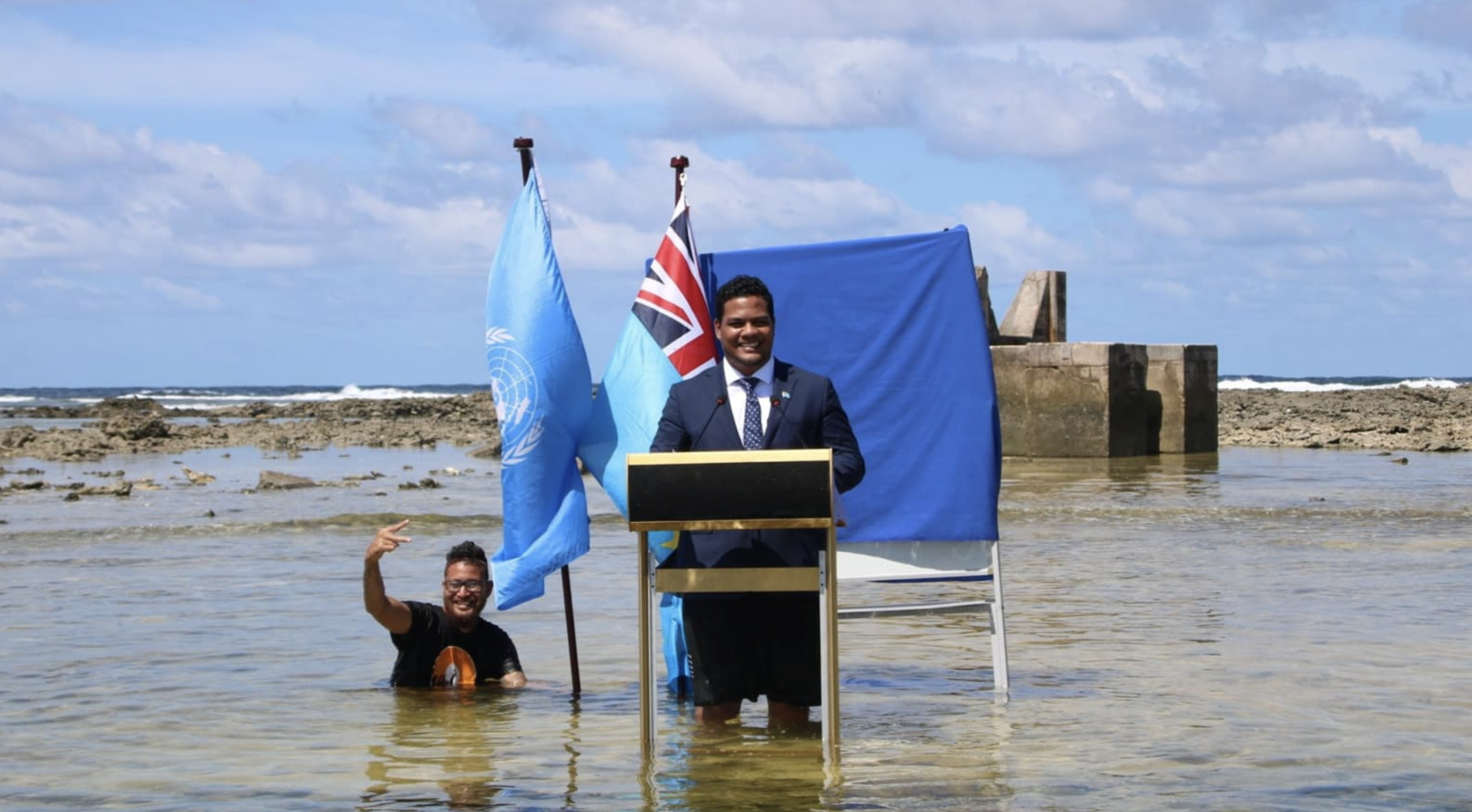
Simon Kofe, Minister for Foreign Affairs for Tuvalu in 2021. Image via CNBC.
These island states are extremely vulnerable to climate change. Forced migration as a result of environmental degradation will become an increasingly significant issue for many, as it will for other countries and regions around the world. But such considerations seldom appear on our discussions of migration patterns and trends, dominated as it is by northern hemisphere politics and policy concerns, and few countries appear willing to factor these forced migrations into their policy frameworks or priorities in order to provide options for those Pacific states impacted.
The region encompasses a wide spectrum of countries in terms of size, cultural and national identity or faith – and experiences of migration, both emigration and immigration. From California to Cambodia, from Vancouver to Vanuatu, it is one of the most diverse in terms of migration histories and dynamics. I sometimes feel that it deserves more attention from the global community of research scholars, policy analysts and officials and governments.
Written by Paul Spoonley. Distinguished Professor Emeritus Paul Spoonley FRSNZ ONZM was formerly the co-chair of Metropolis International Migration Network.
LATEST NEWS